

What Makes a Great Workplace? Great Place To Work Takes the Question Across Cairo's D/OOH

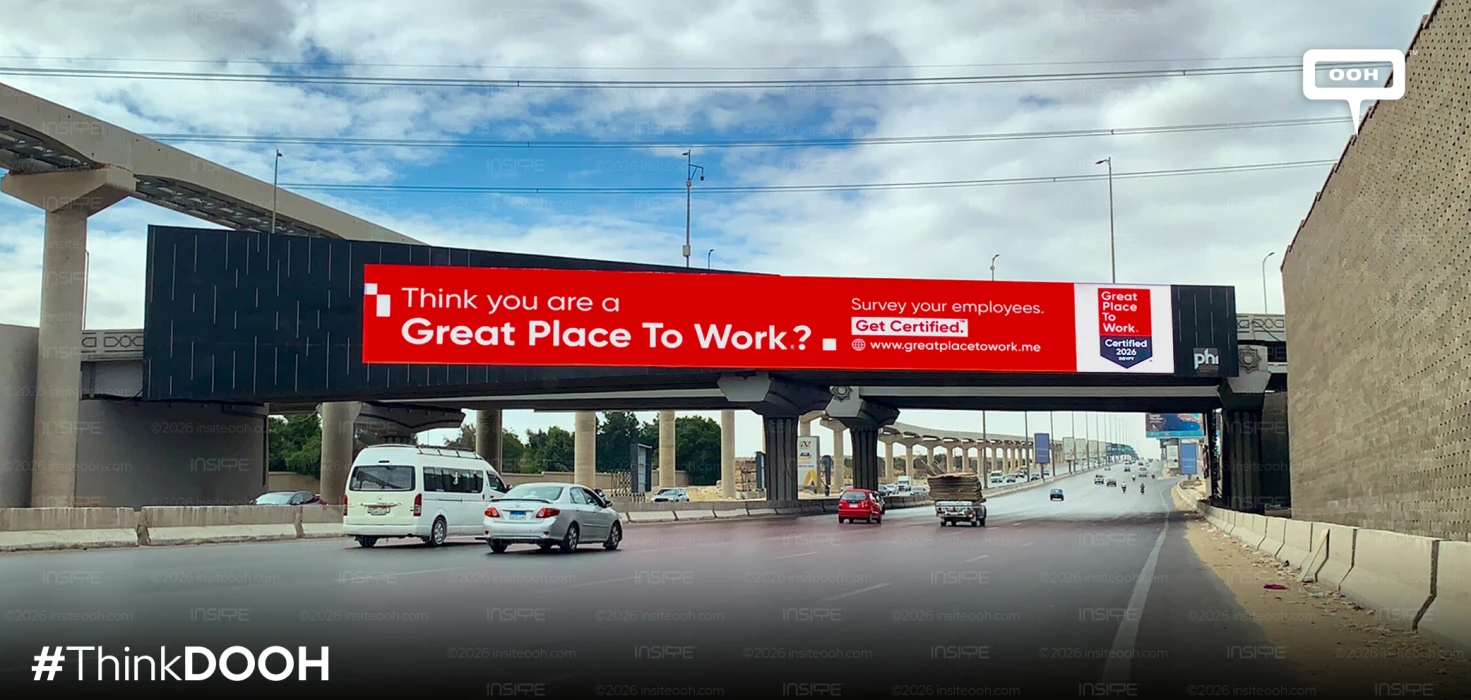
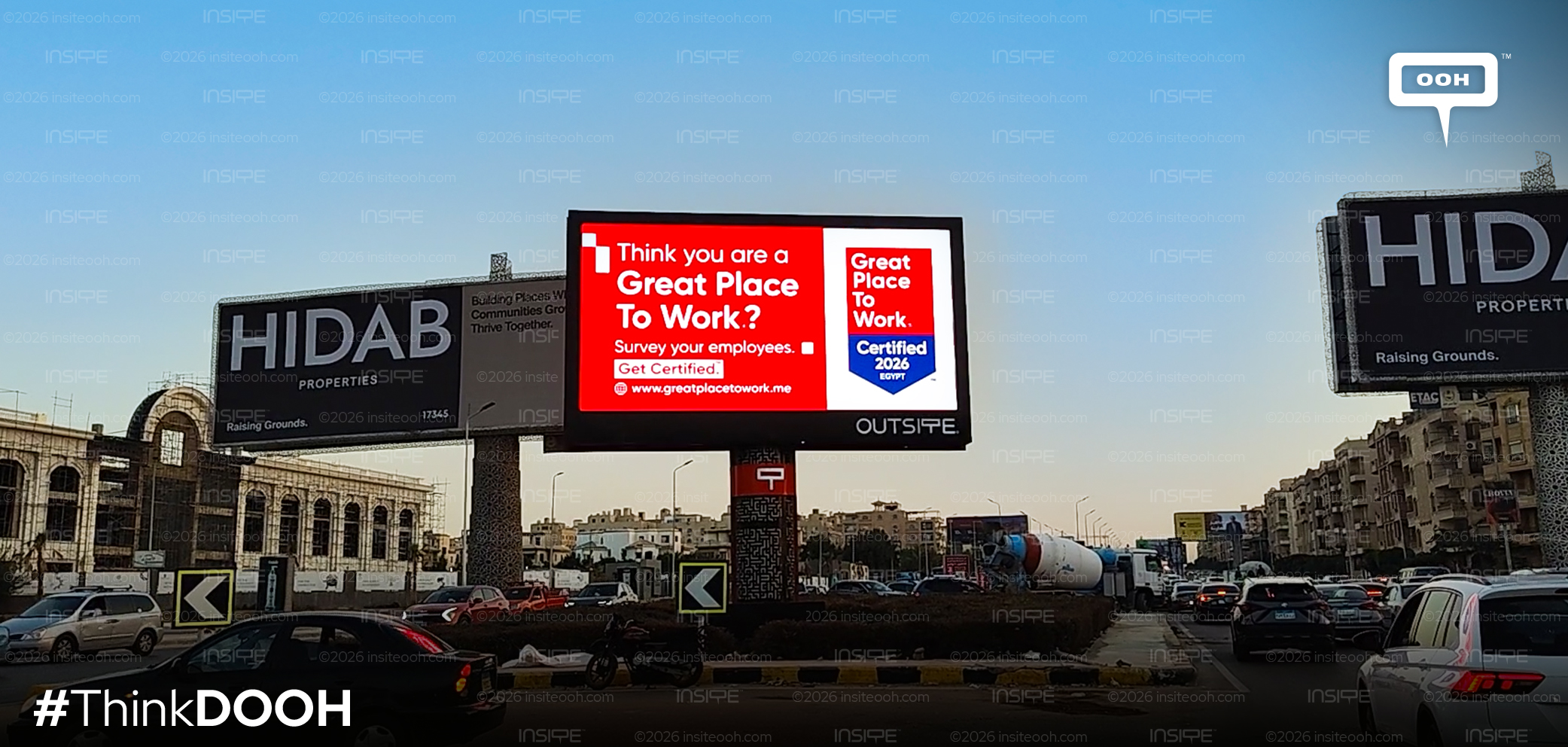
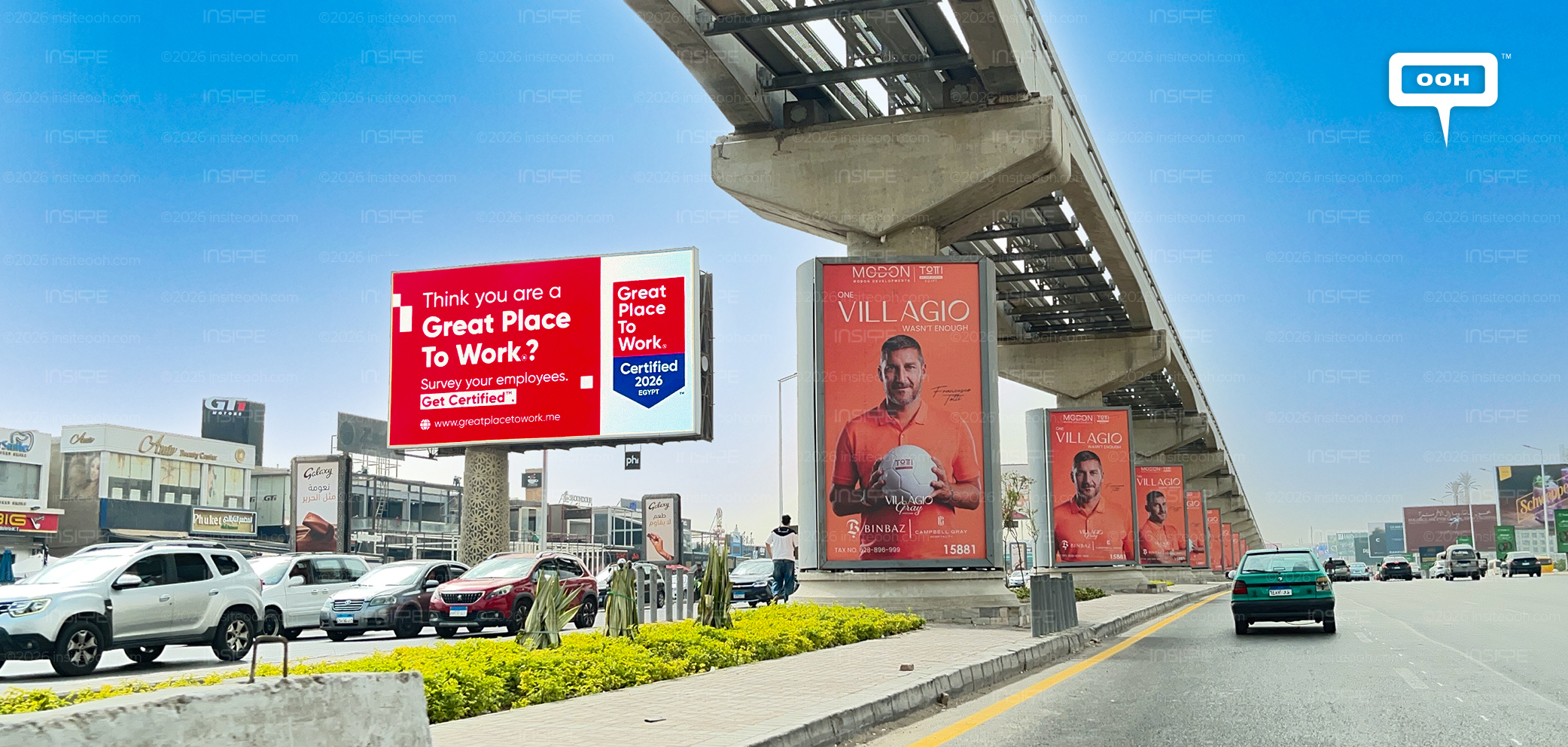
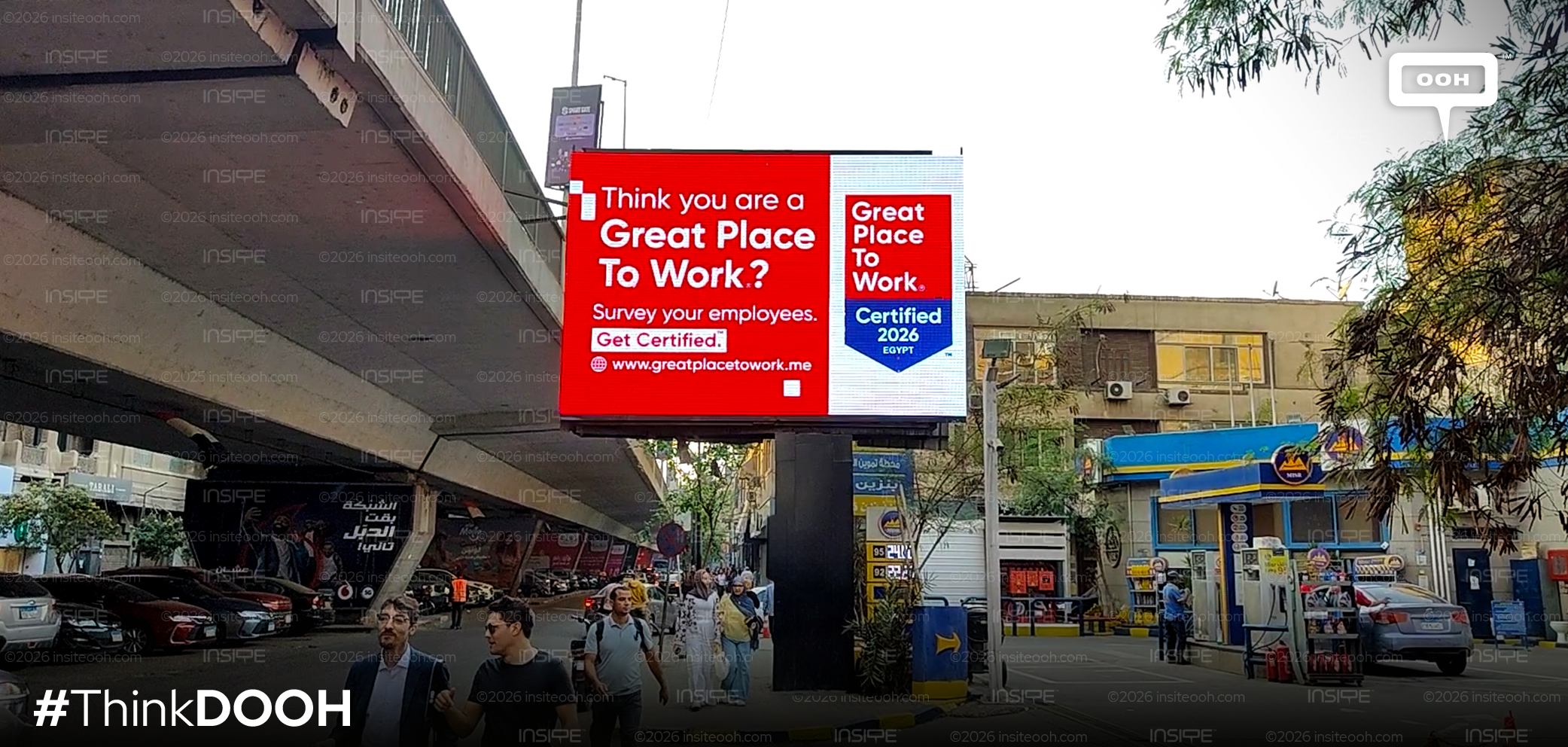
A company may describe itself as a great workplace, but how do its employees describe working there? Great Place To Work brings that question into Egypt’s outdoor advertising landscape with a campaign that asks employers to look beyond their own assumptions. “Think you are a Great Place To Work?” is followed by a practical invitation: “Survey your employees. Get Certified.”
Planned and executed by OUTSITE Billboards, the campaign combines digital screens and static billboards across an expansive geographical distribution. Its subject belongs to the working day, making the journey to and from work a relevant setting for introducing a conversation about employee experience, organisational culture and recognition.
A Workplace Question in a Public Setting
The message speaks directly to business leaders and HR teams, while remaining understandable to employees encountering it on their daily routes. It invites employers to consider whether their perception of the workplace reflects the experiences of the people within it.
That gives the campaign a specific communication task. Great Place To Work is introducing a process that begins with listening. The employee survey becomes the link between an organisation’s confidence in its culture and its interest in pursuing certification. The invitation to participate should therefore be understood as the beginning of an assessment, with recognition dependent on meeting the programme’s requirements.
For outdoor audiences, this is a manageable sequence: consider the question, understand the next step and find out more. The campaign does not need to explain every aspect of workplace assessment on the roadside. It needs to make the subject relevant enough for an employer to continue the conversation.
From a Precise Brief to a Shared Direction
The collaboration behind the campaign began with clarity. Great Place To Work brought a precise brief, giving OUTSITE Billboards a defined objective to work towards. That helped the discussion move smoothly from the communication need to the practical question of how outdoor advertising could support it.
OUTSITE’s contribution was a focused point of view informed by its experience in the medium. The exchange gave the team a clear basis for developing the campaign’s outdoor presence, keeping the recommendations connected to the brief. The working relationship benefited from both sides understanding what the campaign needed to communicate.
This is a useful detail in the campaign’s story because effective collaboration often depends on decisions made before an advertisement appears. Here, a clear brief and a relevant response helped establish a shared direction. The resulting rollout reflects that alignment, without the need to attribute unmeasured commercial outcomes to the process.
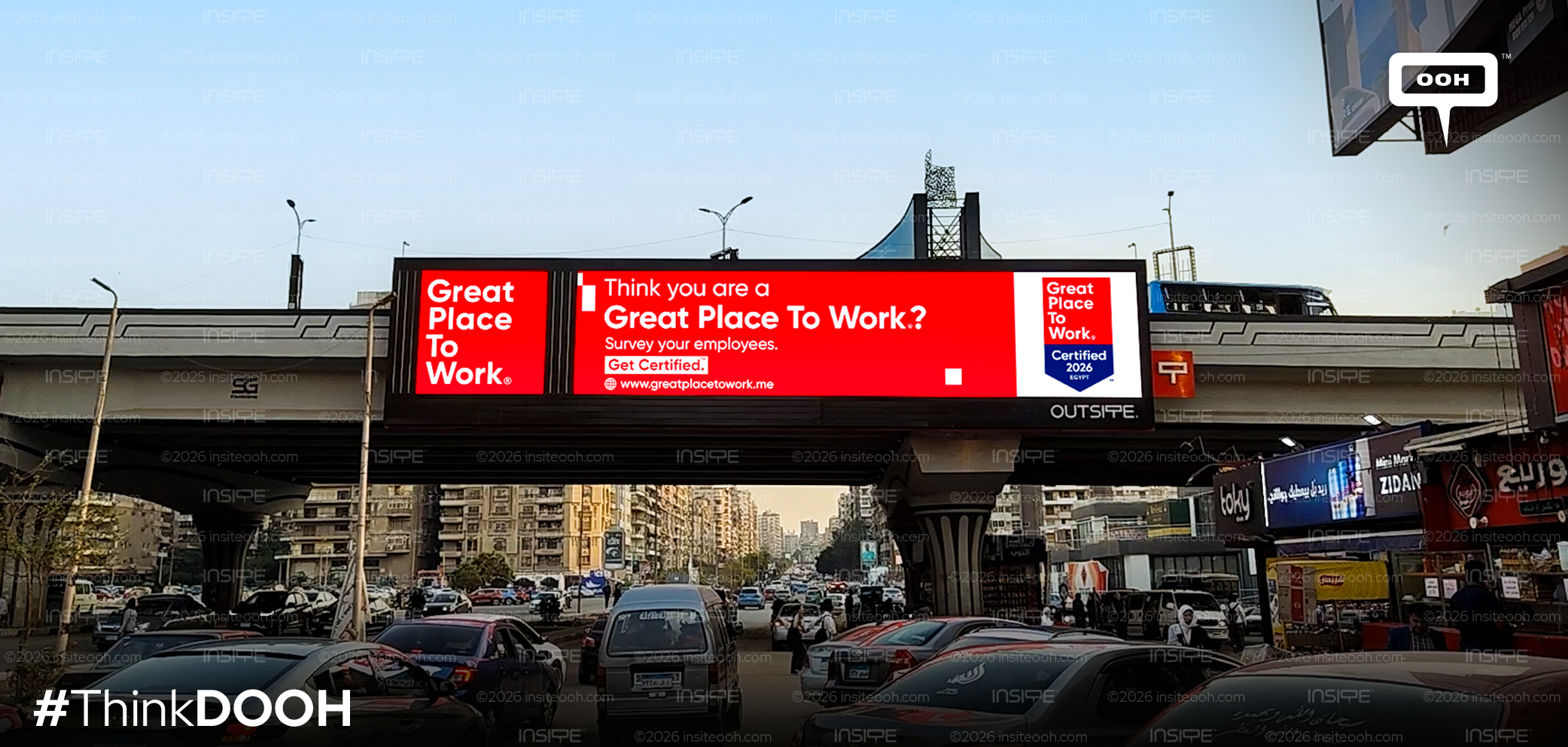
Coverage Across Locations and Formats
The geographical distribution extended across locations identified in the campaign records as Capital, Nasr City, Waterway, Zamalek, Al Safwa and Al Mehwar. This spread gave the message a presence across several areas and routes, supporting encounters beyond a single neighbourhood or business destination.
Such distribution matters for a campaign addressing employers. Decision makers and employees travel through different parts of the city for meetings, office commutes and personal commitments. An expansive network creates more opportunities to encounter the same workplace question in the course of those journeys.
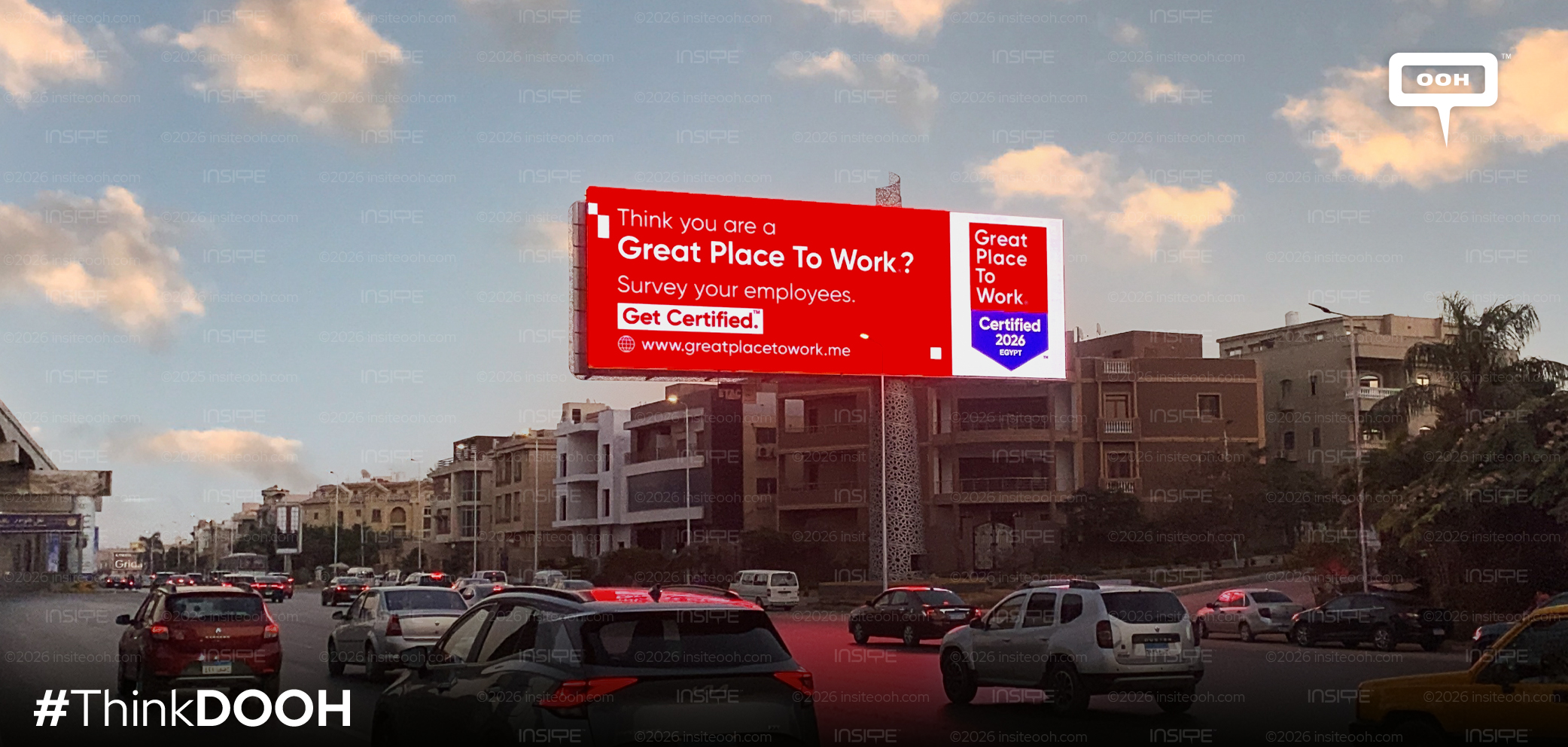
Digital screens and the few static billboards contributed different forms of presence. Static placements provided a continuing message at their locations, while digital screens carried the campaign within their advertising schedules. Across both, the central question and invitation gave the communication a consistent purpose.
The breadth of the rollout describes its physical distribution. It does not, by itself, establish how many people responded or how many organisations pursued certification. Those outcomes would require enquiry, survey participation or campaign measurement data. The observable role of the media is to make the proposition visible across the selected locations.
An Invitation to Listen More Closely
The campaign brings a business service into a public environment through a question that also has personal relevance. Employees can relate it to their own working lives; employers can consider whether they have a structured understanding of those experiences. It also gives the brand a recognisable role in discussions about the employee experience.
For organisations ready to explore that question, visit 🔗 Great Place To Work Middle East to learn about employee surveys and the certification process. The next step begins with understanding what employees have to say.
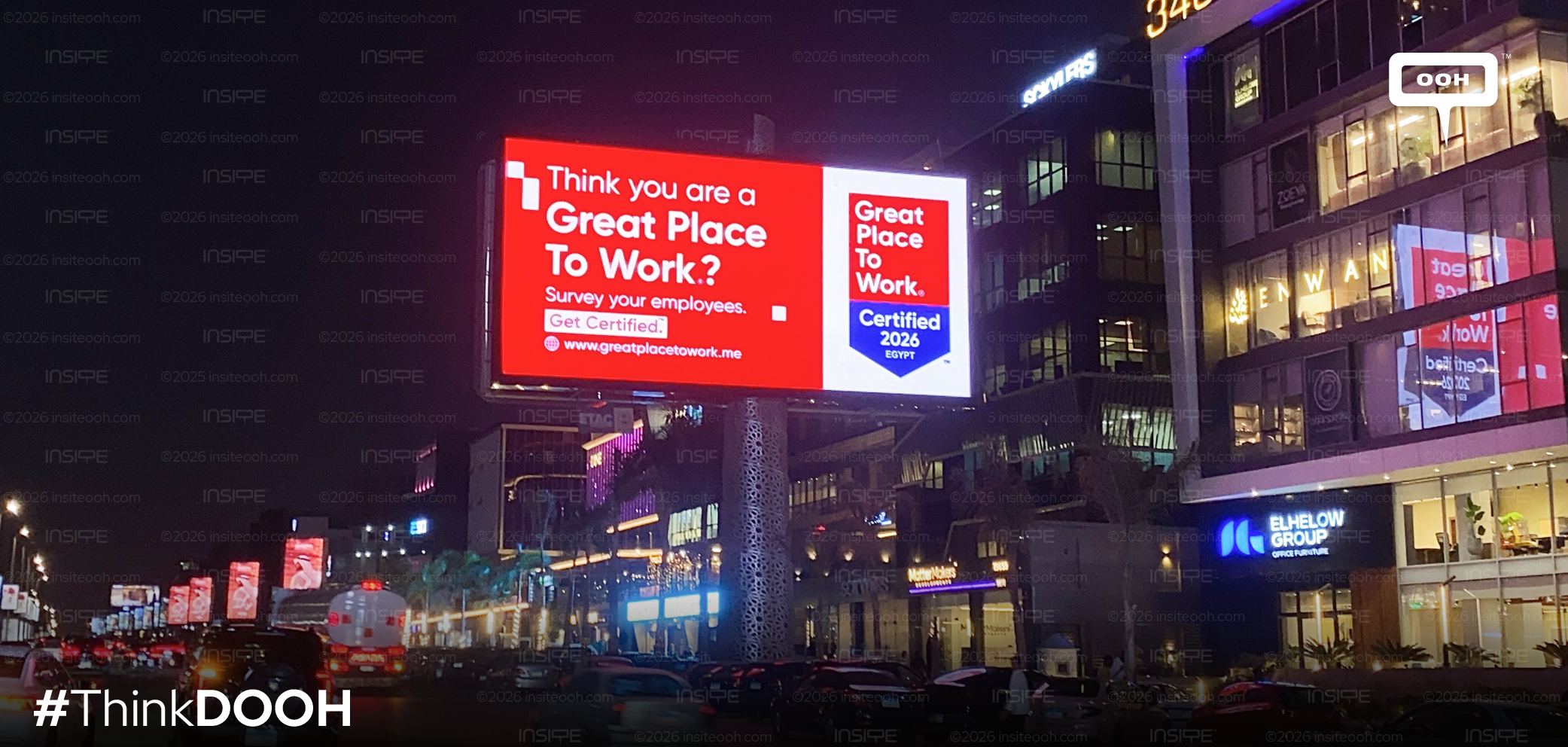
Great Place To Work’s regional offering includes employee surveys, workplace certification and Best Workplaces lists, connecting employee feedback with assessment and recognition.
For further insight into this campaign’s geographical distribution, formats and media activity, explore Monitoring Out of Home (MOOH), the outdoor media intelligence agency and analysis system covering Cairo and Dubai.
Come on, tell us what you feel about this article.

Learn about this campaign budget, media plan, campaign data