

Hajj Travel Agencies Compete for Egypt’s Outdoor Advertising Space Ahead of 2027

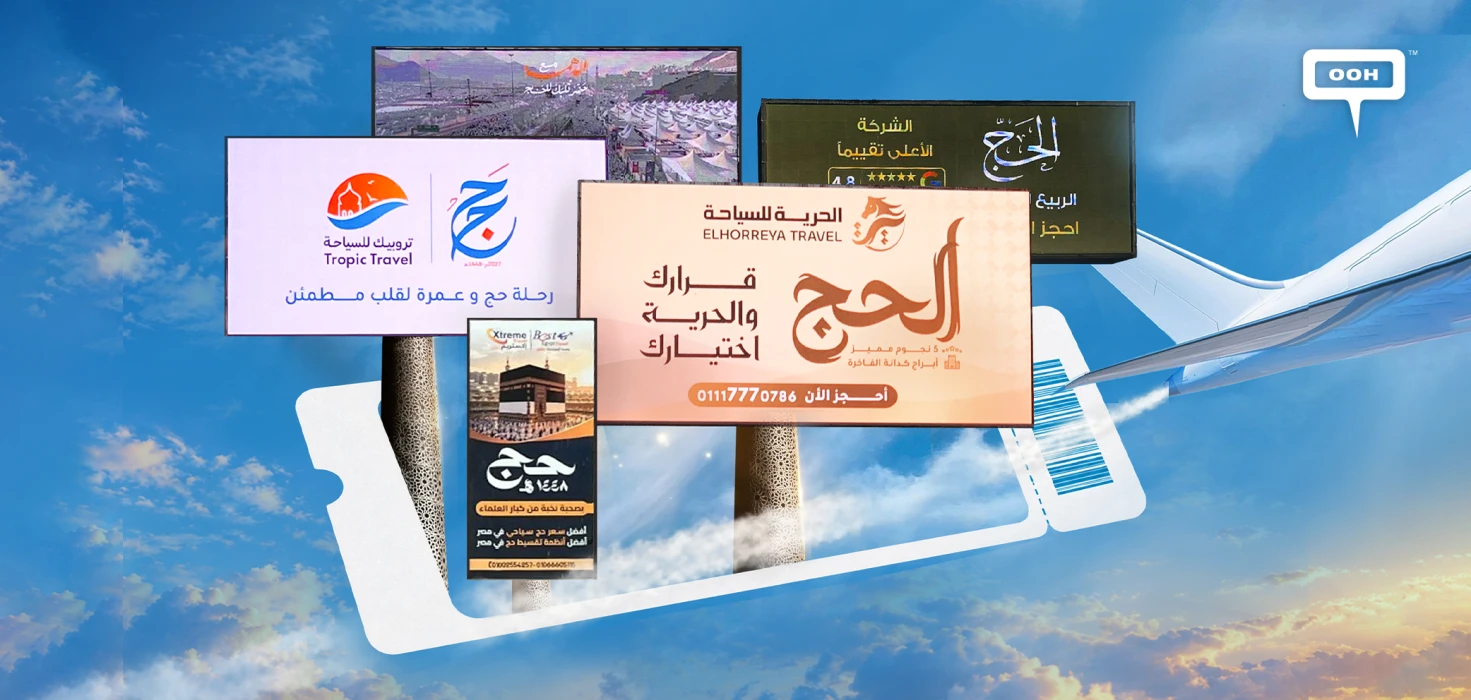
Hajj travel agencies are making a prominent appearance across Egypt’s outdoor advertising landscape, bringing the competition for next season’s bookings into everyday journeys. The monitored activity covers 27 agencies, with campaigns promoting Hajj 2027 through static billboards, digital screens and smaller roadside formats. For prospective pilgrims weighing service, affordability and reassurance, these repeated appearances put agency names into consideration well before departure.
The activity reveals different approaches to visibility. Some agencies command a substantial billboard presence, others place greater emphasis on digital screens, while flags give another group a significant role at street level.
Five Agencies Lead the Main Ranking
The Top Five Hajj Agencies by Main Format Count
1. Rabie Tours — 86 ad face
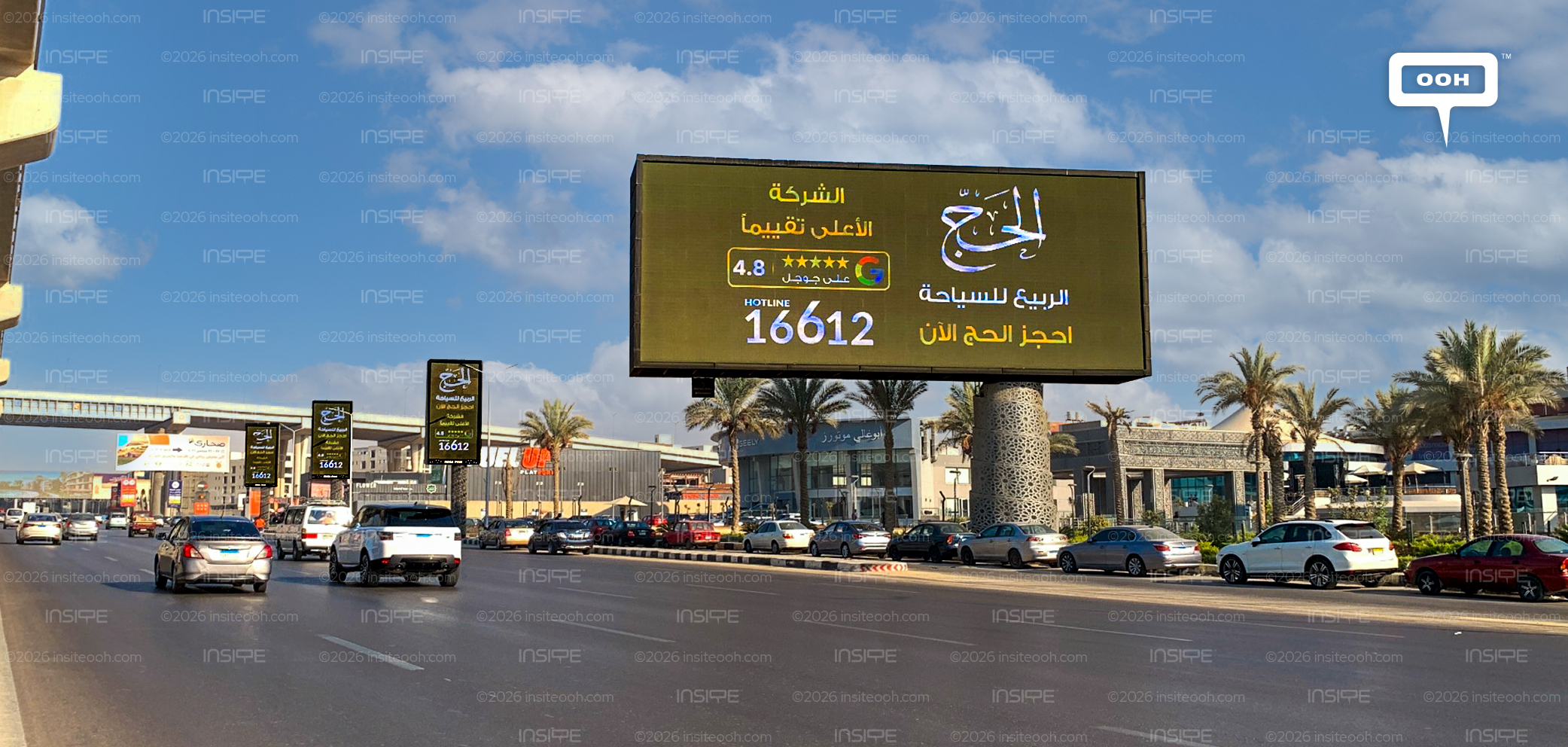
Rabie Tours leads the ranking with a substantial gap over the remaining agencies. Its “Al Hajj With Rabie Tours 2027” campaign places the agency’s name directly alongside the pilgrimage, keeping the proposition clear and easy to recognise.
2. Tropic Travel — 45 ad face
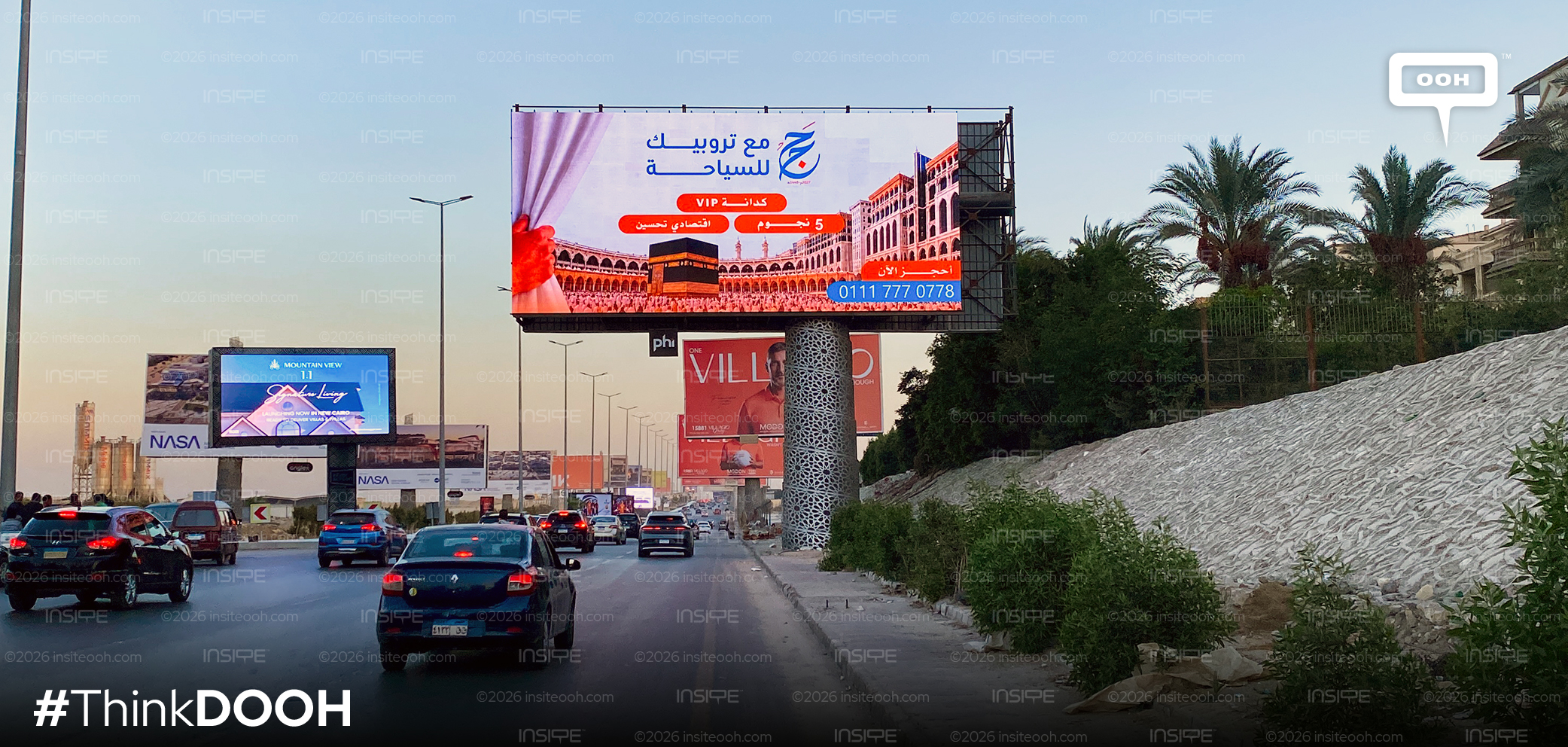
Tropic Travel follows with “Hajj With the Finest Details 2027.” The message highlights the arrangements surrounding the journey, giving prospective pilgrims a service-focused reason to explore the agency’s offering.
3. El Dahmah Travel — 42 ad face
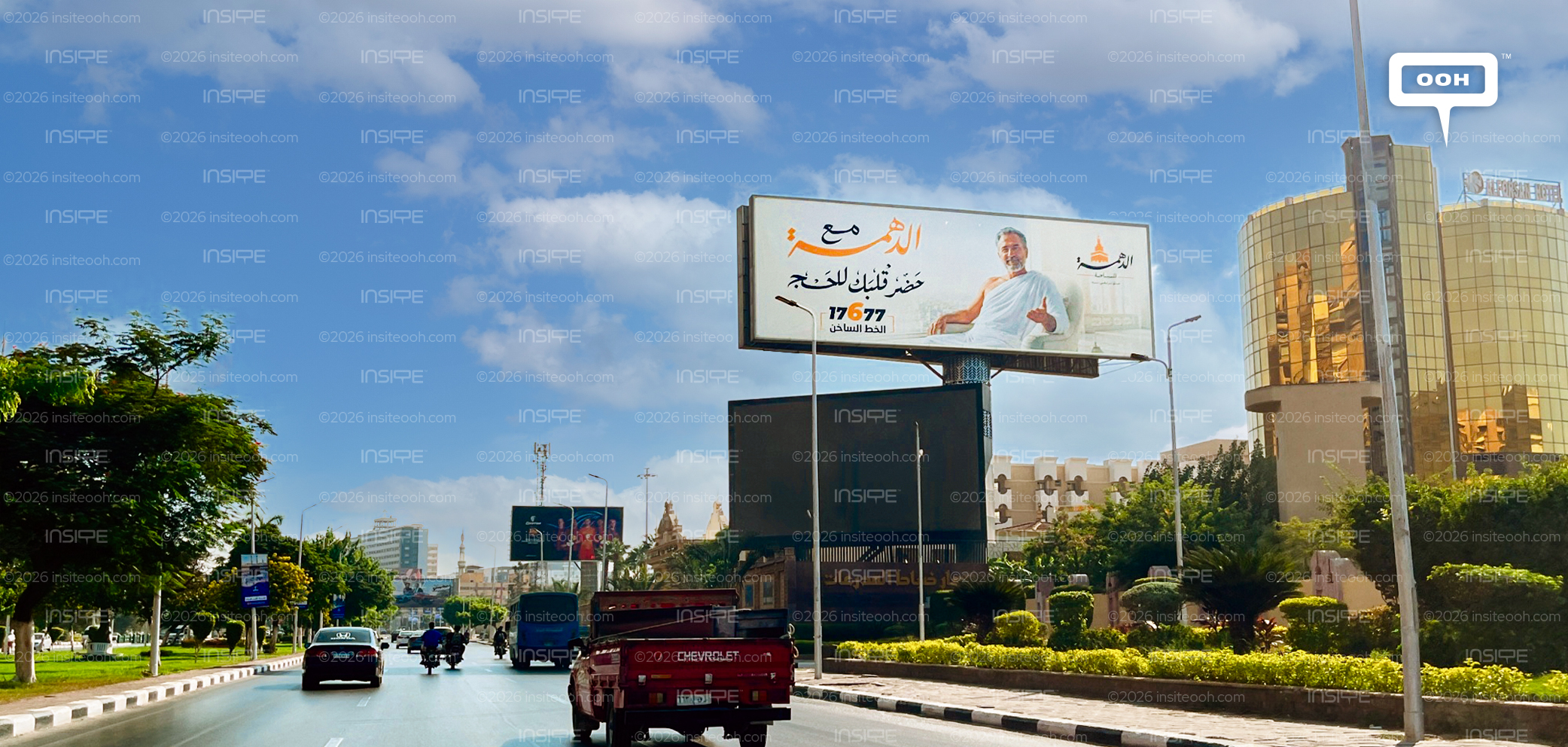
El Dahmah Travel takes third place, centring its campaign on travelling for Hajj with the agency and using outdoor visibility to build recognition during the selection process.
4. Best Egypt Travel — 39 ad face
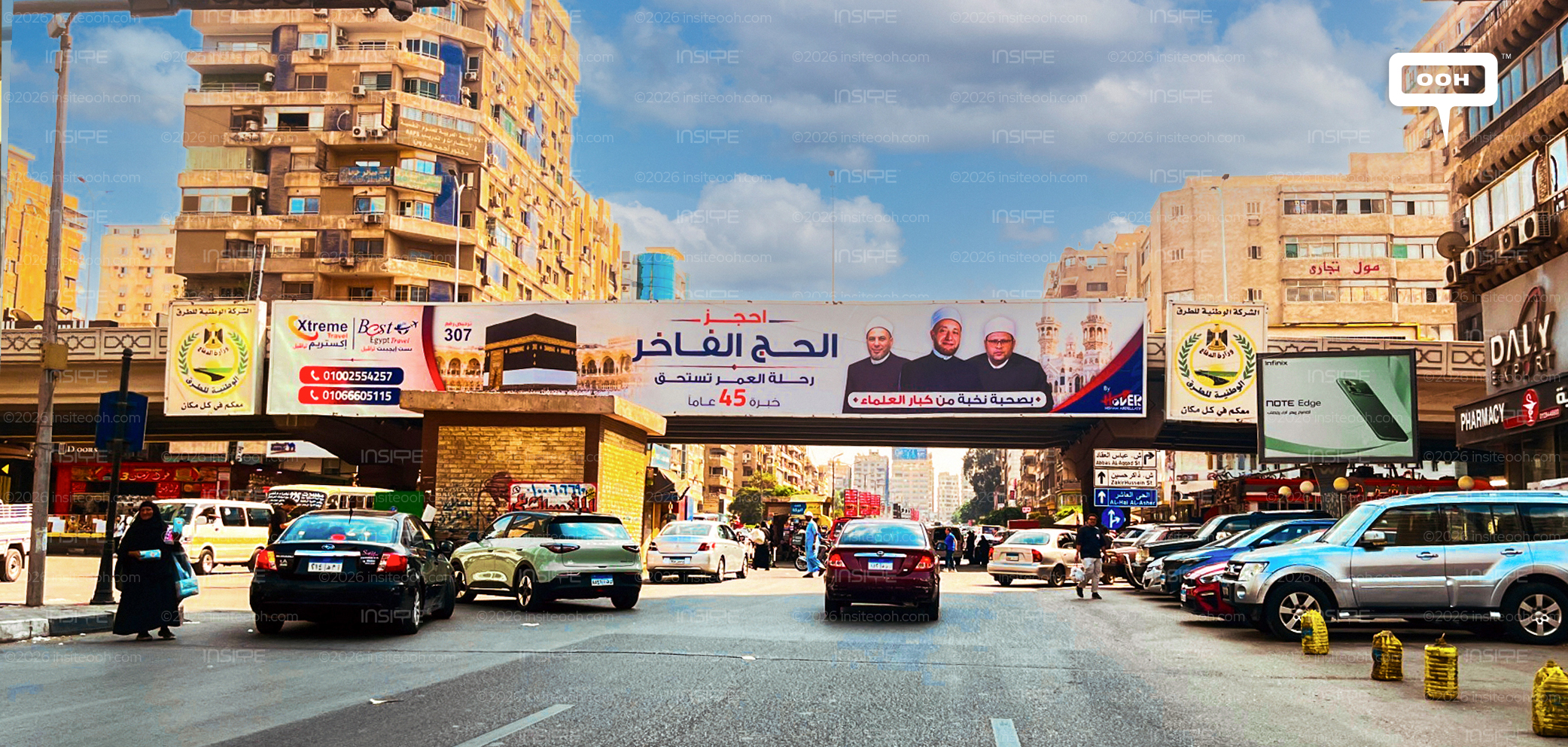
Best Egypt Travel ranks fourth, keeping its name closely connected to its Hajj offering as prospective pilgrims consider their travel arrangements.
5. El Horreya Travel — 38 ad face
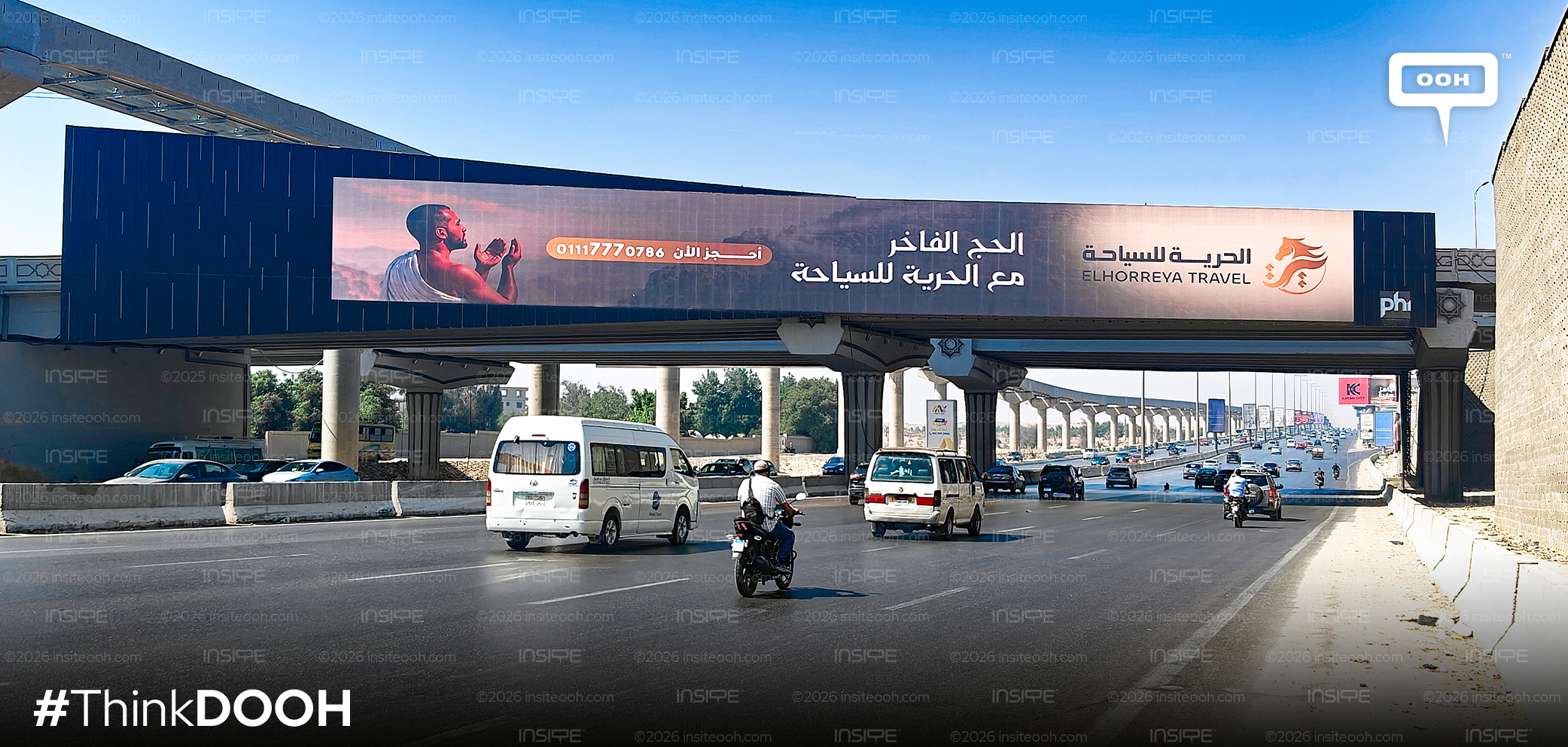
El Horreya Travel completes the top five, adding its outdoor presence to the competition for recognition among prospective pilgrims.
Together, these five agencies account for 250 of the 434 counts in the main format column, approximately 57.6%. This reflects their concentration within the recorded activity, rather than their share of bookings, advertising expenditure or audience reach.
Static Provides Continuity, Digital Adds Another Route to Visibility
The separate format breakdowns show static advertising as the more widely adopted approach: 18 agencies appear in the static tab, compared with eight in the digital tab. Every agency listed digitally also has a static presence.
Rabie Tours leads both breakdowns. Best Egypt Travel and El Dahmah Travel follow it in static activity, while Tropic Travel and El Horreya Travel occupy the next positions digitally.
These choices suggest different ways of building familiarity. Static placements keep an agency’s message continuously visible at a particular site. Digital screens introduce another point of contact, allowing agencies to appear within rotating advertising schedules. Neither approach alone establishes stronger commercial performance, but their combined use shows how some advertisers are extending their presence across formats.
Smaller Formats Broaden the Competition
Flags bring a different set of leaders into focus. Almagd Tours records 185, followed by Al Mahmoud Travel with 118, Desola with 60, Al Eman with 43 and Al Farouk Tours with 34.
The sheet records 593 flags overall, with nine agencies appearing exclusively in this category. Their presence broadens the competitive picture beyond the main billboard ranking. Repeated smaller placements can create a recognisable roadside sequence, giving agencies another way to remain visible along everyday routes.
Can Greater Visibility Translate Into More Pilgrims?
Egypt’s Hajj mission head reported more than 78,000 registered pilgrims for the 2025 season. Within the tourism-company segment, the Ministry of Tourism and Antiquities subsequently confirmed that 40,672 pilgrims reached Saudi Arabia, including 33,172 travelling by air and 7,500 overland. These figures describe different scopes and should not be added together.
Demand has also strengthened ahead of 2027. A ministry announcement carried by Cairo Governorate reported 145,530 tourist-Hajj applicants, approximately 27% more than the previous season. That increase concerns applications, rather than completed pilgrimages, and the announcement does not attribute it to outdoor advertising.
Outdoor campaigns may encourage enquiries and influence agency choice. Actual participation, however, also depends on available places, selection, affordability and completed travel arrangements. Establishing advertising’s contribution would require enquiry and booking data alongside the placement counts.
As Hajj agencies claim more roadside attention, how much of that visibility will become confirmed bookings for Hajj 2027?
Come on, tell us what you feel about this article.

Learn about this campaign budget, media plan, campaign data